
Electrical Jobs in the United States: Salary, Training Paths, and Career Opportunities
Electrical work remains one of the most essential skilled trades in the United States, supporting residential construction, commercial infrastructure, and industrial systems. As demand for reliable power and modern technology continues to grow, electrical jobs offer stable career opportunities with hands-on work and long-term potential. Understanding job types, training requirements, and salary expectations can help individuals evaluate whether this career path aligns with their goals.
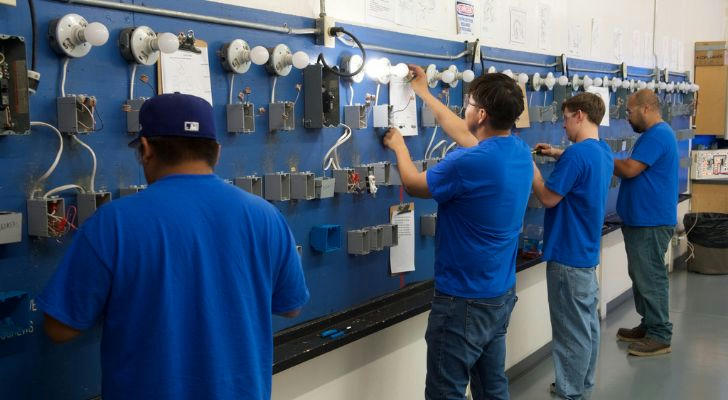
What Electrical Jobs Typically Involve
Electrical jobs focus on installing, maintaining, and repairing electrical systems. Work environments vary widely, from residential homes to large industrial facilities.
Common responsibilities include:
• Installing wiring, outlets, and circuit breakers
• Reading blueprints and technical diagrams
• Inspecting electrical systems for safety and compliance
• Troubleshooting electrical faults
• Maintaining lighting and power systems
• Following safety regulations and building codes
Electricians often work with tools and equipment that require precision, technical knowledge, and adherence to safety standards.
Types of Electrical Jobs
Electrical careers include several specialized roles depending on training and work environment.
| Job Type | Work Setting | Typical Duties |
|---|---|---|
| Residential Electrician | Homes and apartments | Wiring, repairs, upgrades |
| Commercial Electrician | Offices and retail buildings | Larger systems, lighting, maintenance |
| Industrial Electrician | Factories and plants | Equipment, machinery, automation |
| Maintenance Electrician | Various facilities | Ongoing system upkeep |
| Electrical Technician | Support roles | Testing and diagnostics |
Each role may require different levels of experience, licensing, and technical expertise.
Training and Education Requirements
Most electrical jobs require a combination of classroom instruction and hands-on training.
Common training pathways include:
• Trade school or technical college programs
• Apprenticeships lasting 4–5 years
• On-the-job training under licensed electricians
Apprenticeships are often sponsored by organizations such as the International Brotherhood of Electrical Workers (IBEW) or contractor associations.
According to the U.S. Department of Labor, apprenticeships combine paid work experience with structured instruction, making them a common entry route into the electrical trade.
Licensing and Certification
Electricians in the United States are typically required to hold a license, which is regulated at the state or local level.
Licensing requirements generally include:
• Completion of an apprenticeship or training program
• Passing a licensing exam
• Meeting minimum work experience hours
Safety standards are enforced by agencies such as the Occupational Safety and Health Administration (OSHA), which sets guidelines for workplace safety.
Average Salary for Electrical Jobs
Electrical careers offer competitive wages compared to many other skilled trades.
According to the U.S. Bureau of Labor Statistics (BLS):
• Median annual wage for electricians exceeds $60,000
• Experienced electricians and specialists may earn significantly more depending on location and industry
Salary levels vary based on:
• Experience and certification level
• Geographic location
• Industry specialization
• Overtime and union membership
Job Outlook for Electricians
The demand for electrical workers remains steady due to continued construction activity and infrastructure upgrades.
The U.S. Bureau of Labor Statistics projects consistent employment growth for electricians over the next decade, driven by:
• Expansion of renewable energy systems
• Upgrades to electrical grids
• Increased use of smart technology in buildings
Because electrical systems are essential in nearly every building, job demand tends to remain stable across economic cycles.
Skills Needed for Electrical Jobs
Electrical work requires both technical and practical skills.
Key competencies include:
• Understanding electrical systems and circuits
• Problem-solving and troubleshooting
• Manual dexterity and tool handling
• Reading technical diagrams
• Attention to detail and safety compliance
• Physical stamina for demanding work environments
Strong safety awareness is critical, as electricians work with high-voltage systems and complex equipment.
How to Start a Career in Electrical Work
Entering the electrical field typically involves several steps:
• Completing high school or equivalent education
• Enrolling in a trade school or apprenticeship program
• Gaining hands-on experience through supervised work
• Obtaining a state license if required
• Continuing education to stay updated on codes and technologies
Some individuals begin with entry-level helper roles before advancing into licensed positions.
Conclusion
Electrical jobs provide a structured career path within a skilled trade that offers stability, competitive wages, and long-term growth potential. With multiple training routes, licensing requirements, and specialization options available, individuals can choose paths that align with their interests and experience level.
Understanding job roles, training pathways, and salary expectations can help guide decisions when exploring opportunities in the electrical field.