
Landscaper Jobs: A Practical Guide for U.S. Job Seekers
Landscaper jobs offer more than mowing lawns and trimming hedges. For many Americans, they provide steady outdoor work, room to learn hands-on skills, and a path into roles with more responsibility over time. The field includes entry-level labor positions, plant care work, irrigation support, crew leadership, and even design or supervision roles, so there is room to grow if the work suits your strengths.
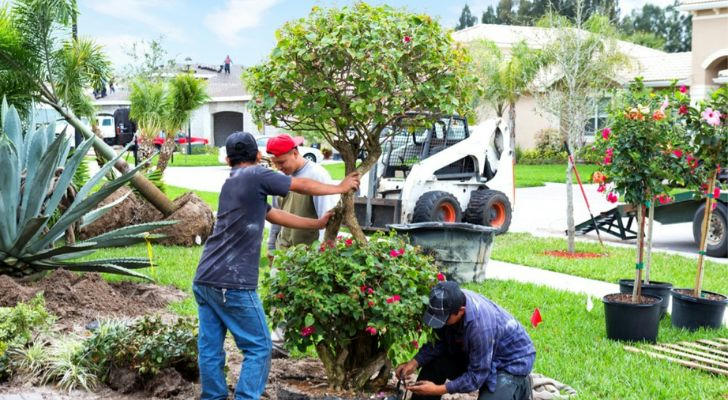
Why Landscaping Appeals
One reason landscaping attracts so many job seekers is that it is visible, practical work. Crews help maintain homes, businesses, apartment communities, parks, and commercial properties, which means the job often has a clear end result at the end of the day. Job boards also show a large number of openings across the U.S., suggesting steady demand in many markets.
Another advantage is that not every role requires a long academic path. Many workers start in entry-level positions and learn on the job, while others enter through horticulture training, apprenticeship programs, or related experience in construction or equipment work. That flexibility makes landscaping a realistic option for people entering the workforce or changing careers.
Common Job Types
Landscaping covers several different kinds of work, and each role has a different pace and skill set.
• Landscape laborer: Moves materials, mulches beds, plants shrubs, and helps with basic site work.
• Lawn care technician: Mows, edges, trims, weeds, and handles routine yard maintenance for homes or businesses.
• Landscape technician: Uses tools and equipment to support installation and maintenance work.
• Crew leader or foreman: Directs a team, keeps projects on schedule, and checks quality.
• Horticulture or greenhouse worker: Focuses on plant health, watering, propagation, and care.
• Irrigation specialist, arborist, or landscape architect: These roles are more specialized and may involve technical knowledge, tree care, or design planning.
For many job seekers, the best choice is not the highest title but the role that matches physical ability, interests, and long-term goals. Someone who likes outdoor work and steady routines may prefer lawn care, while someone interested in leadership or planning may want to move toward foreman or supervisory work
Skills Employers Want
Landscaping employers usually look for reliability first. Showing up on time, following instructions, and working well with a crew matter as much as technical ability. Because many jobs are seasonal or weather-dependent, employers also value flexibility and a willingness to work outside in changing conditions.
Other useful skills include:
• Safe use of hand tools and powered equipment.
• Basic plant knowledge and lawn care practices.
• Ability to lift, carry, bend, and work outdoors for long periods.
• Communication and teamwork.
• Attention to detail, especially for trimming, planting, and cleanup.
Some higher-level jobs also require business or planning skills. Crew leaders may need to manage people and materials, while designers and supervisors may need to estimate costs, read plans, or coordinate with clients.
Pay and Growth
Pay in landscaping varies widely depending on role, region, and experience. Entry-level labor jobs typically pay less than specialized positions, but there is room to move up as skills improve.
Current job-market sources show examples such as landscape crew leader roles paying about 22 to 25 dollars an hour and landscape technician jobs paying around 18 to 20 dollars an hour in some listings. Broader salary sources also show higher-paying career paths, such as senior landscape architect or director-level positions, which can reach six figures. That gap reflects a simple reality: more training, experience, and responsibility usually lead to better pay.
It is also worth noting that landscaping can be a stepping stone rather than a final stop. Many workers start in labor or maintenance roles and then move into irrigation, equipment operation, tree care, or management. Apprenticeship programs can help support that kind of progression with paid on-the-job training.
How to Start
Getting into landscaping is often straightforward, especially for entry-level roles. A practical first step is to decide whether you want maintenance work, crew work, plant-focused work, or a path toward supervision.
A simple starting plan:
• Review local job listings to see which roles are hiring in your area.
• Decide whether you want seasonal work, full-time work, or a long-term trade path.
• Build basic experience with tools, plant care, or equipment if possible.
• Look for apprenticeships or employers that train new workers on the job.
• Ask about schedule, physical demands, and advancement opportunities before accepting a role.
The field is broad enough that different people can find different entry points. Some enter through general labor, while others start with horticulture education or related work experience.
Choosing the Right Fit
Landscaper jobs can be a good match for people who like outdoor work, visible results, and practical teamwork. The work can be physically demanding, but it also gives workers a chance to build useful trade skills and move toward better-paying roles over time.
Before applying, think about three things: how much time you want to spend outdoors, how physically demanding the job feels to you, and whether you want a maintenance role or a path toward leadership. A clear answer to those questions can help narrow the field and make job searches more productive.
Landscaping is a hands-on industry with many entry points and several ways to grow. For job seekers who want practical work and the possibility of advancement, it is a field worth serious attention.