
CDL Training Programs in the United States: Costs, Requirements, and How to Choose the Right Option
Commercial truck driving remains a critical part of the U.S. economy, supporting supply chains across every industry. For individuals seeking a practical career path with structured training, CDL (Commercial Driver’s License) programs provide a clear entry point. These programs combine classroom instruction with hands-on driving experience, helping learners develop the skills required to operate commercial vehicles safely and meet federal licensing standards.
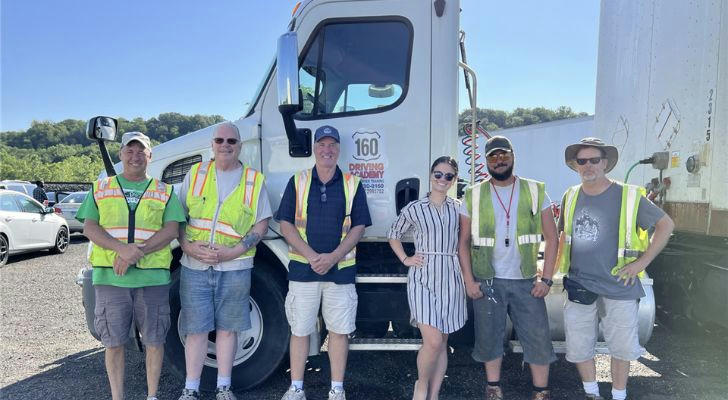
What CDL Training Programs Include
CDL training programs are designed to prepare students for both the written knowledge exam and the behind-the-wheel skills test required for licensing.
Most programs include:
- Vehicle inspection procedures
- Basic vehicle control and maneuvering
- Road driving skills in real traffic conditions
- Federal safety regulations and compliance
- Trip planning and logbook management
- Hazard awareness and defensive driving techniques
Training typically combines classroom instruction with supervised driving practice to ensure students meet licensing requirements.
Types of CDL Licenses
CDL programs prepare students for different license classes depending on the type of vehicle and job role.
| CDL Class | Vehicle Type | Typical Use |
|---|---|---|
| Class A | Combination vehicles (tractor-trailers) | Long-haul trucking, freight transport |
| Class B | Single vehicles (buses, box trucks) | Local delivery, passenger transport |
| Class C | Smaller commercial vehicles | Hazmat or passenger vehicles |
The Federal Motor Carrier Safety Administration (FMCSA) sets national standards for CDL licensing and testing.
Training Program Options
CDL training is offered through multiple types of providers across the United States.
| Program Type | Duration | Key Features |
|---|---|---|
| Private CDL Schools | 3–8 weeks | Fast-track training focused on licensing |
| Community Colleges | 2–6 months | Structured programs with broader instruction |
| Company-Sponsored Training | 3–6 weeks | Training tied to employment agreements |
| Apprenticeships | Varies | Paid training combined with job experience |
Each option varies in cost, schedule, and job placement opportunities.
Cost of CDL Training Programs
The cost of CDL training depends on program type, location, and duration.
| Program Type | Typical Cost Range |
|---|---|
| Private CDL Schools | $3,000 – $7,000 |
| Community College Programs | $1,500 – $5,000 |
| Company-Sponsored Programs | Reduced upfront cost (may require work commitment) |
According to the Federal Motor Carrier Safety Administration (FMCSA), training providers must meet federal Entry-Level Driver Training (ELDT) requirements before students can take the CDL skills test.
Financial aid options, workforce grants, or employer-sponsored training may be available depending on eligibility.
CDL Training Requirements
Before enrolling in a CDL program, applicants typically meet several baseline requirements:
- Minimum age of 18 for intrastate driving, 21 for interstate driving
- Valid driver’s license
- Medical certification from a certified examiner
- Passing a Commercial Learner’s Permit (CLP) knowledge test
The ELDT rule, implemented by the Federal Motor Carrier Safety Administration (FMCSA), requires all new drivers to complete approved training before taking the CDL road test.
Skills Developed During CDL Training
CDL programs focus on building practical driving and safety skills required for commercial transportation.
Key competencies include:
- Safe operation of large commercial vehicles
- Backing, turning, and parking maneuvers
- Load securement basics
- Compliance with federal safety regulations
- Trip planning and route navigation
- Emergency handling and hazard awareness
These skills are essential for both passing the CDL exam and performing job duties effectively.
Job Outlook for CDL Drivers
Commercial driving remains a stable career field due to ongoing demand for freight transportation.
According to the U.S. Bureau of Labor Statistics (BLS):
- Heavy and tractor-trailer truck drivers earn a median annual wage of over $50,000
- Employment demand remains steady due to supply chain needs
Common entry-level roles include:
- Long-haul truck driver
- Local delivery driver
- Freight transport operator
With experience, drivers may move into specialized roles such as tanker, hazardous materials, or owner-operator positions.
How to Choose a CDL Training Program
Selecting a CDL training program involves comparing several important factors.
Key considerations include:
- Accreditation and ELDT compliance
- Total driving hours included in training
- Instructor experience and student-to-truck ratio
- Job placement assistance or employer partnerships
- Program duration and scheduling flexibility
Programs with strong employer connections may provide smoother transitions into entry-level driving positions.
Conclusion
CDL training programs provide a structured pathway into commercial driving careers. With multiple training formats, certification requirements, and employment opportunities available, prospective drivers can choose programs that align with their schedule, budget, and career goals.
Evaluating training quality, hands-on driving experience, and licensing preparation can help ensure readiness for both the CDL exam and long-term success in the transportation industry.