
Pharmacy Assistant Courses: Costs, Certification, and Career Path Guide
Pharmacy assistants play an important role in supporting pharmacists and ensuring efficient operations in retail and clinical settings. As prescription demand continues to grow, pharmacies require trained staff to manage medications, assist customers, and maintain accurate records. Pharmacy assistant courses provide a structured way to learn essential skills, understand regulations, and prepare for entry-level positions in a healthcare environment.
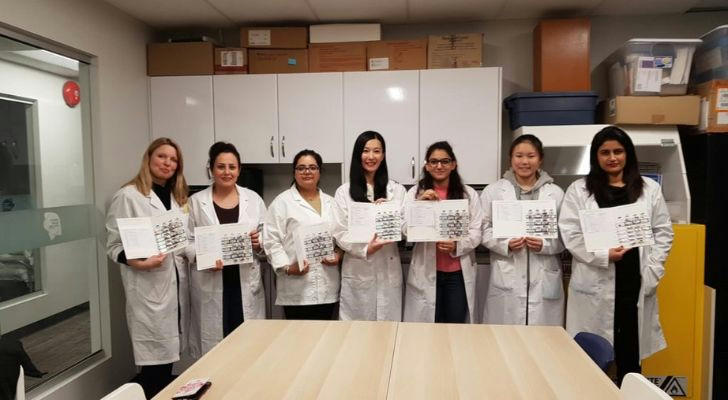
What Pharmacy Assistant Courses Typically Include
Pharmacy assistant courses focus on both administrative and basic clinical support skills. Programs are commonly offered through vocational schools, community colleges, and online training providers.
Core subjects often include:
- Pharmacy terminology and drug classifications
- Prescription processing and labeling
- Customer service and communication skills
- Inventory management and medication storage
- Basic pharmacology concepts
- Insurance billing and pharmacy software systems
Some programs also include simulated training or externships to provide practical experience in real pharmacy settings.
Types of Pharmacy Assistant Training Programs
Training options vary depending on schedule, format, and depth of instruction.
| Program Type | Duration | Outcome |
|---|---|---|
| Certificate Programs | 3–6 months | Entry-level pharmacy assistant roles |
| Diploma Programs | 6–12 months | Broader administrative and technical skills |
| Online Courses | Self-paced | Flexible learning with foundational knowledge |
While pharmacy assistants are different from pharmacy technicians, some programs may prepare students for advancement into technician roles.
Certification and Regulatory Considerations
Pharmacy assistant roles are generally less regulated than pharmacy technicians in the United States. However, some employers prefer candidates with formal training or certification.
Pharmacy technician certification, offered by organizations such as the Pharmacy Technician Certification Board (PTCB), may be required for advanced roles.
Regulatory requirements vary by state, and some states require registration or supervision under a licensed pharmacist. Information on pharmacy regulations can be found through state boards of pharmacy and the National Association of Boards of Pharmacy (NABP).
Cost of Pharmacy Assistant Courses
The cost of pharmacy assistant training depends on the provider and program format.
| Program Type | Typical Cost Range |
|---|---|
| Short Certificate Courses | $500 – $2,000 |
| Diploma Programs | $2,000 – $5,000 |
| Online Training Programs | $300 – $1,500 |
According to the National Center for Education Statistics (NCES), public institutions often offer lower tuition compared to private career schools.
Additional costs may include textbooks, exam fees, and background checks.
Skills Developed During Training
Pharmacy assistant courses focus on developing practical workplace skills.
Key competencies include:
- Processing prescriptions accurately
- Communicating with patients and healthcare professionals
- Managing inventory and medication stock
- Understanding basic drug information
- Using pharmacy management software
- Maintaining confidentiality and compliance
Training programs also emphasize workplace safety and compliance with standards established by the Occupational Safety and Health Administration (OSHA).
Job Outlook and Work Environment
Pharmacy assistants work in a variety of healthcare settings, including:
- Retail pharmacies
- Hospitals and clinics
- Mail-order pharmacies
- Long-term care facilities
According to the U.S. Bureau of Labor Statistics (BLS), demand for pharmacy-related support roles remains steady due to ongoing healthcare needs and an aging population.
Entry-level positions typically involve customer service, administrative support, and assisting licensed pharmacists with daily operations.
How to Compare Pharmacy Assistant Courses
Selecting a training program involves evaluating several factors.
Key considerations include:
- Accreditation or institutional reputation
- Course content and curriculum coverage
- Availability of hands-on training or externships
- Preparation for pharmacy technician advancement
- Program flexibility and schedule options
Programs with practical experience components may provide better preparation for real-world pharmacy environments.
When to Consider Pharmacy Assistant Training
Pharmacy assistant courses are often suitable for:
- Individuals seeking entry into healthcare careers
- Career changers looking for short-term training
- Students interested in customer-facing medical roles
- Job seekers exploring pharmacy-related work environments
Because pharmacies operate in nearly every community, trained assistants are needed in a wide range of locations.
Conclusion
Pharmacy assistant courses provide a practical introduction to healthcare support roles in pharmacy settings. With relatively short training timelines and multiple program formats available, individuals can develop foundational skills needed for entry-level positions.
Evaluating course structure, hands-on experience, and advancement opportunities can help identify training programs that align with career goals and long-term development in the healthcare field.