Phlebotomy Training Programs in the United States: Costs, Certification, and Career Path Options
Phlebotomy plays a vital role in modern healthcare, supporting diagnostic testing and patient care in hospitals, clinics, and laboratories. As demand for medical services continues to grow, trained phlebotomy technicians remain essential in many healthcare settings. Phlebotomy training programs provide a structured pathway to develop technical skills, understand safety procedures, and prepare for certification in a relatively short period of time.
What Phlebotomy Training Programs Include
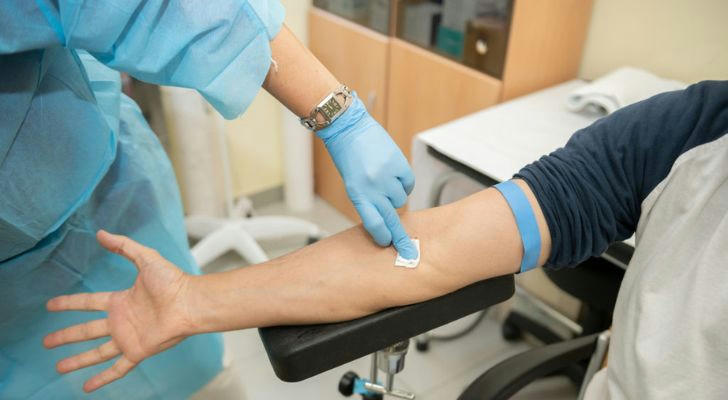
Phlebotomy training programs are designed to teach both theoretical knowledge and hands-on clinical skills. These programs are typically offered by community colleges, vocational schools, and healthcare training institutes.
Core training components often include:
- Venipuncture and capillary blood collection techniques
- Infection control and safety procedures
- Medical terminology and anatomy basics
- Specimen handling and labeling
- Patient interaction and communication
- Laboratory regulations and compliance
Most programs include a clinical component, allowing students to practice blood collection under supervision in real healthcare environments.
Types of Phlebotomy Training Programs
Phlebotomy education is available in several formats depending on time commitment and career goals.
| Program Type | Typical Duration | Outcome |
|---|---|---|
| Certificate Programs | 4–12 weeks | Entry-level phlebotomy technician roles |
| Diploma Programs | 2–6 months | Expanded clinical training |
| Community College Programs | 1 semester | Structured education with clinical hours |
Many programs are designed to prepare students for national certification exams required by employers.
Certification and Licensing Requirements
Most employers prefer or require phlebotomy certification, although licensing requirements vary by state.
Common certification organizations include:
- National Healthcareer Association (NHA)
- American Society for Clinical Pathology (ASCP)
- National Phlebotomy Association (NPA)
Certification typically requires:
- Completion of an approved training program
- A minimum number of successful blood draws
- Passing a certification exam
State regulations differ, and some states such as California and Nevada have additional licensing requirements.
Cost of Phlebotomy Training Programs
The cost of phlebotomy training varies depending on program type and provider.
| Program Type | Typical Cost Range |
|---|---|
| Short Certificate Programs | $700 – $2,500 |
| Community College Programs | $1,000 – $3,000 |
| Private Training Schools | $1,500 – $4,000 |
According to the National Center for Education Statistics (NCES), tuition at public institutions is generally lower than private career schools.
Additional costs may include certification exam fees, textbooks, uniforms, and background checks.
Skills Developed During Training
Phlebotomy programs focus on practical healthcare skills that are directly applicable in clinical settings.
Key competencies include:
- Performing safe and accurate blood draws
- Following infection control standards
- Identifying veins and minimizing patient discomfort
- Handling and transporting specimens correctly
- Maintaining patient confidentiality
- Communicating effectively with patients and healthcare staff
Training programs also emphasize compliance with safety standards established by the Occupational Safety and Health Administration (OSHA).
Job Outlook for Phlebotomy Technicians
Phlebotomy is often considered an entry point into the healthcare field, with opportunities in various medical settings.
According to the U.S. Bureau of Labor Statistics (BLS):
- Employment for phlebotomists is projected to grow faster than average
- Median annual wages are approximately $38,000, with variation by location and experience
Common work environments include:
- Hospitals
- Diagnostic laboratories
- Blood donation centers
- Physician offices
With experience, some technicians pursue further training in medical assisting, nursing, or laboratory technology.
How to Compare Phlebotomy Training Programs
Selecting the right program involves evaluating several important factors.
Key considerations include:
- Accreditation and program approval
- Number of required clinical hours
- Certification exam preparation
- Instructor qualifications
- Job placement or externship opportunities
- Program duration and schedule flexibility
Programs that include hands-on clinical experience often provide stronger preparation for employment.
When to Consider Phlebotomy Training
Phlebotomy training programs are often suitable for:
- Individuals seeking entry into healthcare careers
- Career changers looking for short-term training options
- Students interested in hands-on patient interaction
- Job seekers pursuing stable roles in medical environments
Because blood testing is a fundamental part of healthcare, phlebotomy skills remain consistently in demand.
Conclusion
Phlebotomy training programs offer a practical pathway into the healthcare industry with relatively short training timelines. With multiple program formats, certification options, and employment settings available, individuals can choose training that aligns with career goals and availability.
Evaluating program quality, clinical training opportunities, and certification preparation can help ensure readiness for both certification exams and entry-level healthcare roles.